“Just make it in English and French.” It usually arrives at the end of a website brief, said the way you would mention a colour preference. Then the build starts, and the bilingual part turns out to touch almost every decision on the site: the menu, the fonts, the forms, the graphics, even the way the pages are organised for search engines.
Translating the words is the easy half. The structure is where bilingual projects succeed or quietly fail.
Why bilingual is not a nice-to-have here
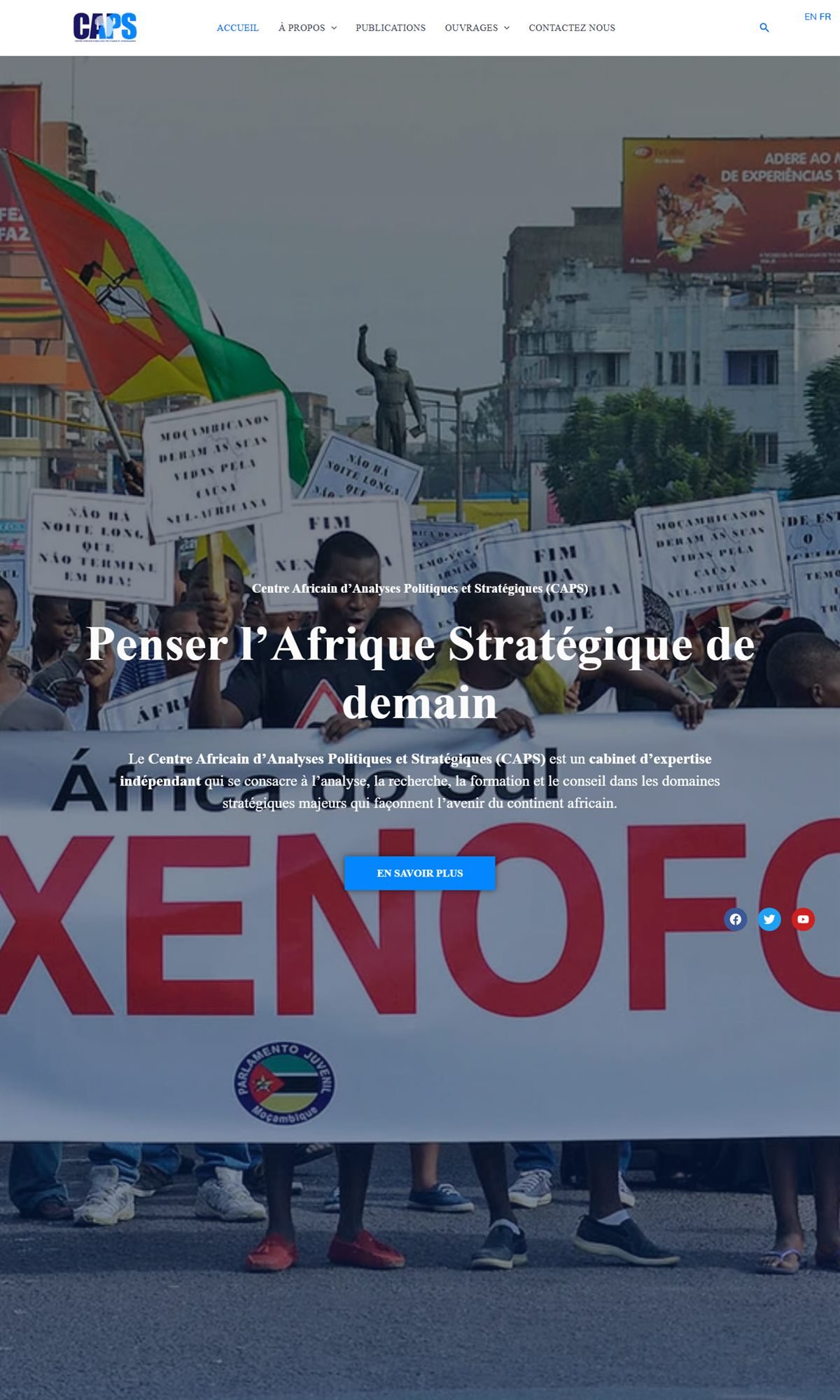
Cameroon works in two official languages, and most organisations I build for do not get to pick one. A think tank publishes research that francophone academics and anglophone partners both need to read. A business in Douala sells to customers who switch between languages in the same WhatsApp conversation. An association applying for funding needs an English page a foreign partner can actually understand.
If half of your audience lands on a page they cannot read, they do not translate it. They leave.
Translation is the smallest part of the job
These are the parts that surprise people when the second language arrives:
- Menu labels: French runs roughly twenty percent longer than English. “Contact us” becomes “Contactez-nous”, “About” becomes “A propos”. A navigation bar that fits perfectly in English wraps onto two lines in French.
- Typography: your headline font needs accented capitals. Plenty of display fonts ship without a proper E with an acute accent or a C cedilla, and you only discover it when a title renders with a missing character.
- Forms: field labels are the visible part. The validation messages, the button text, the confirmation screen and the automatic email all need the second language too.
- Dates and numbers: 09/12/2026 means two different days depending on who reads it. Spell the month out, in both languages.
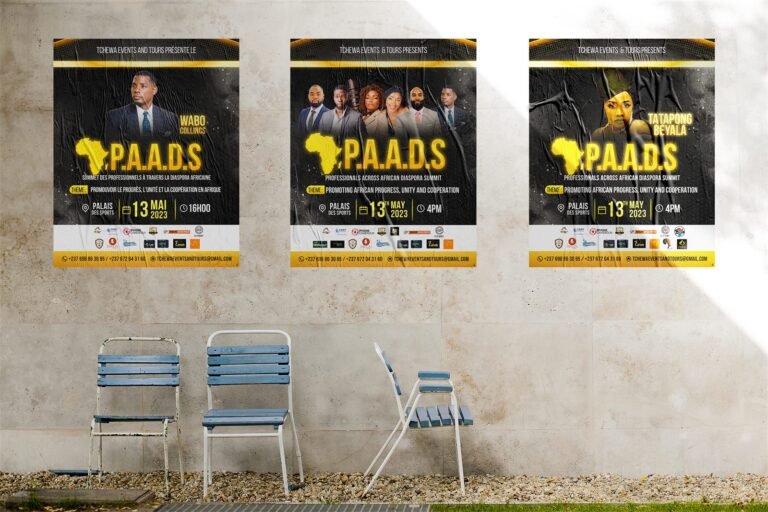
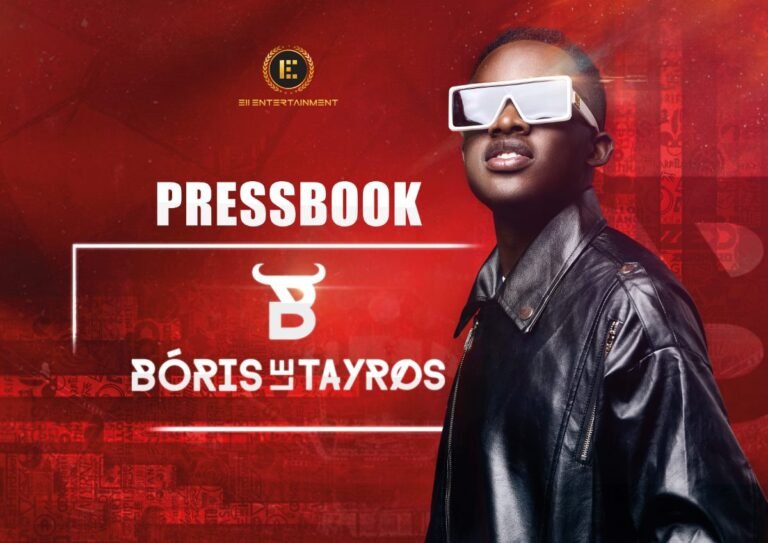
- Graphics with text inside them: every banner, poster and social visual carrying words has to be produced twice. This is the line item people forget when they budget.
- Documents: reports, brochures and programmes linked from the site are part of the experience. A French-only PDF behind an English page is a dead end.
Decide the structure before you write a word
There are two ways to put a second language on a site, and they are not equivalent.
The first is a translation widget that rewrites the page in the visitor’s browser. It is fast to install and it is useful as a courtesy for a third or fourth language. What it does not give you is a real page: there is no separate address for the English version, so there is nothing for a search engine to index, rank or show to someone searching in English.
The second is a genuine bilingual build, where each language has its own pages at its own addresses, and the two versions are formally linked so search engines know they are the same content in two languages. It costs more up front. It is the only version that earns traffic in both languages.
Choose before the content is written, because switching later means redoing the URLs, the menus and the internal links.
Design for the longer language
The practical rule I follow: lay the design out in whichever language runs longest, usually French, and let the shorter one breathe. A button sized to fit “Learn more” will break on “En savoir plus”. A button sized for the French will hold both.
The same goes for headline blocks, card titles and table headers. It is far cheaper to leave room at the design stage than to redesign a component once the translation lands.
What it costs to add it later
Retrofitting a second language onto a finished site is rarely a discount job. The menu has to be rebuilt, every page duplicated, every graphic re-exported, every form rewired, and the address structure changed. In most cases it costs more than building bilingual from the start, and the result is more fragile.
A checklist before you brief anyone
- Which language is the primary one, and which is the translation?
- Does every page need both languages, or only the public-facing ones?
- Who writes the second version, and by when? A developer cannot invent your content.
- How many graphics contain text, and who pays for the second set?
- Do you need to be found in both languages, or is the second one a courtesy for visitors already on your site?
- Who maintains it? Every future article, event and document is now two pieces of work.
That last question is the one that decides whether a bilingual site stays bilingual. Sites do not usually break, they drift, one untranslated update at a time.
Build it in from the start
A bilingual site is not an English site with a French button attached. It is one project with two audiences, planned together from the first sketch, and it is entirely achievable on a small business budget when it is decided early.
If you need a site that works properly in both languages, start your website project here.