
Most cover art briefs I receive are a screenshot of another artist’s cover and a photo from a phone gallery. Sometimes the release date is three days away. The design usually gets done, but the version that ships is rarely the one the artist imagined, and the reason is almost always the brief rather than the designer.
A cover has a narrow job and a hard constraint. Getting both into the brief is what separates a sleeve that works from one that merely exists.
Your cover has two jobs, and they conflict
The first job is to survive as a thumbnail. On a phone, in a playlist, your cover is a small square next to a track title. At that size, detail disappears. Thin lettering closes up, busy backgrounds turn to noise, and a face shot from far away becomes a smudge.
The second job is to hold up large: a poster, a banner, a CD sleeve, a screen behind you at a show. That version rewards detail and texture.
One artwork has to do both, which is why the composition usually needs to be simpler than the artist expects, and the typography bigger.
Send these before anything else
- The final title, spelled exactly as it will appear. Including the accents, the stylisation and the capitals. Changing a title after the artwork is built often means rebuilding the whole composition.
- Your artist name as it is registered on the platforms, so the cover matches the listing.
- The release date and the date you want to start teasing it. These are two different deadlines and the teaser one always comes first.
- The photo at full resolution, straight from the photographer, not the version that went through WhatsApp. A compressed copy cannot be rescued at print size.
- Whether it is a single, an EP or an album, and if there is a tracklist that needs its own visual.
- The label or imprint logo, in a vector file if one exists.
Reference covers, but reference them properly
Sending three covers you like is genuinely useful. Sending them with no comment is not, because I cannot tell whether you liked the colour, the lettering, the mood or the artist.
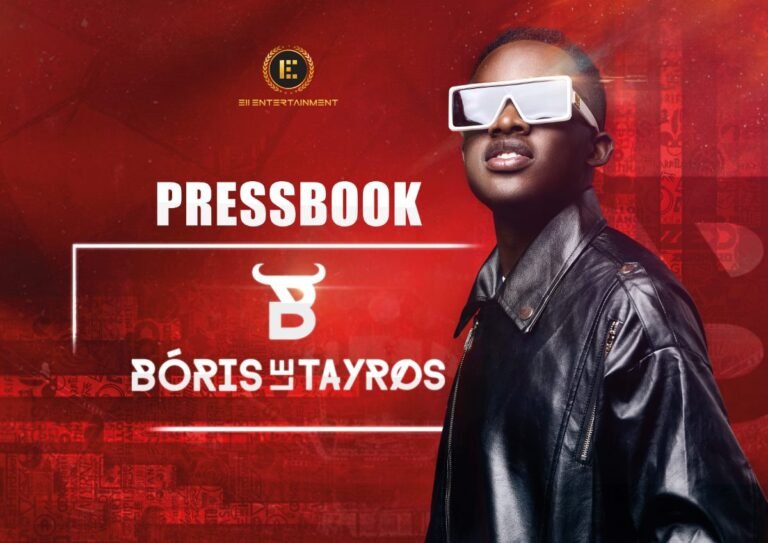
One line per reference is enough: what specifically caught you. “The type is heavy and sits behind his shoulder” tells me more than ten images with no notes. It is also worth sending one cover you dislike and why, which narrows the direction faster than praise does.
Decide what goes on the front
Streaming platforms display your artist name and track title next to the cover already. Anything you add to the artwork is a design decision, not an obligation.
Most covers need the title and the artist name, because the image travels beyond the platform, onto posters and posts where nothing else labels it. Very few need a feature credit, a producer tag, a label logo, a social handle and a release date all at once. Every element you add shrinks the others.
Ask for the whole set, not just the square
A release is never one image. Agreeing the full list up front costs nothing and saves a scramble the night before:
- The cover itself at 3000 by 3000 pixels, the size distributors expect.
- A tracklist visual for an EP or album, using the same treatment as the cover.
- A teaser or trailer version, so the announcement and the release look like one campaign rather than two unrelated posts.
- Banners for YouTube and for your social profiles, which are very wide and need their own crop rather than a stretched square.
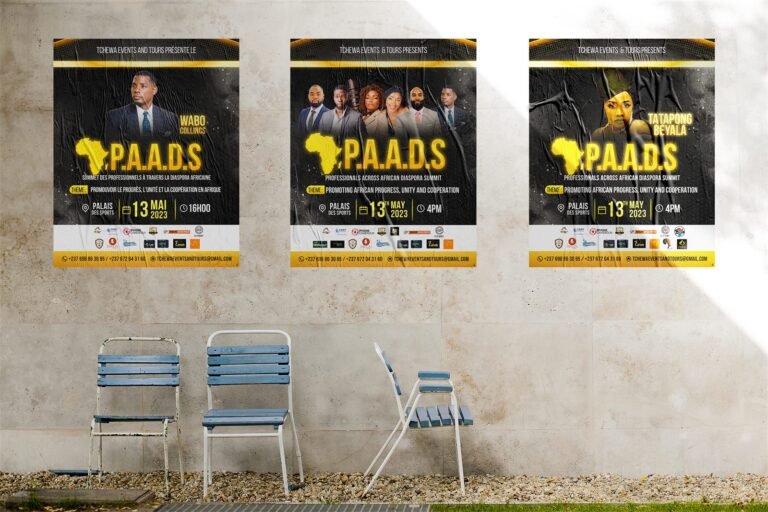
- A mockup for the press kit and for your own posts, showing the cover on a physical object.
Settle the photo rights early
The photographer owns the photograph unless your agreement says otherwise. Before the shoot, confirm in writing that you may use the images for cover art and promotion, and agree how the credit appears. This takes one message and prevents the situation where a release has to be pulled or re-shot.
The mistakes that come back most often
- Approving on a laptop only. Look at it as a small square on your phone before you sign it off. That is where it will live.
- Booking the designer after the release date is announced. The artwork drives the teaser, so it has to exist first.
- Changing the title late. It is not a text swap when the lettering is part of the composition.
- Collecting opinions from everyone. Decide who approves before the first draft, and let that person decide.
Give the artwork the time the music got
The cover is the first thing anyone experiences, usually before a single second of audio plays. A clear brief and two weeks of room will get you something that still looks right a year later, on a platform, a poster and a wall.
Planning a release and want the artwork handled properly? Tell me about your project here.